
Dune Part 3 Leto II: The God-Emperor’s Rise Explained (2026)
Discover how Dune Part 3 Leto II transforms into the God-Emperor. Full breakdown of his arc, cast, and release.
- Last checked
- 2026-07-12
- Last updated
- 2026-07-12
- Editor
- Dune Part 3 Wiki Team
- Source check
- Official movie pages and high-trust entertainment coverage
- Applies to
- 2026 theatrical release updates
Independent fan-made wiki. Not affiliated with Warner Bros., Legendary Pictures, Denis Villeneuve, or the Dune rights holders.
Quick Guide
- Step 1Check whether each character is confirmed for the film.
- Step 2Keep source-novel context separate from confirmed adaptation details.
- Step 3Use cast and story guides to continue with the same character.
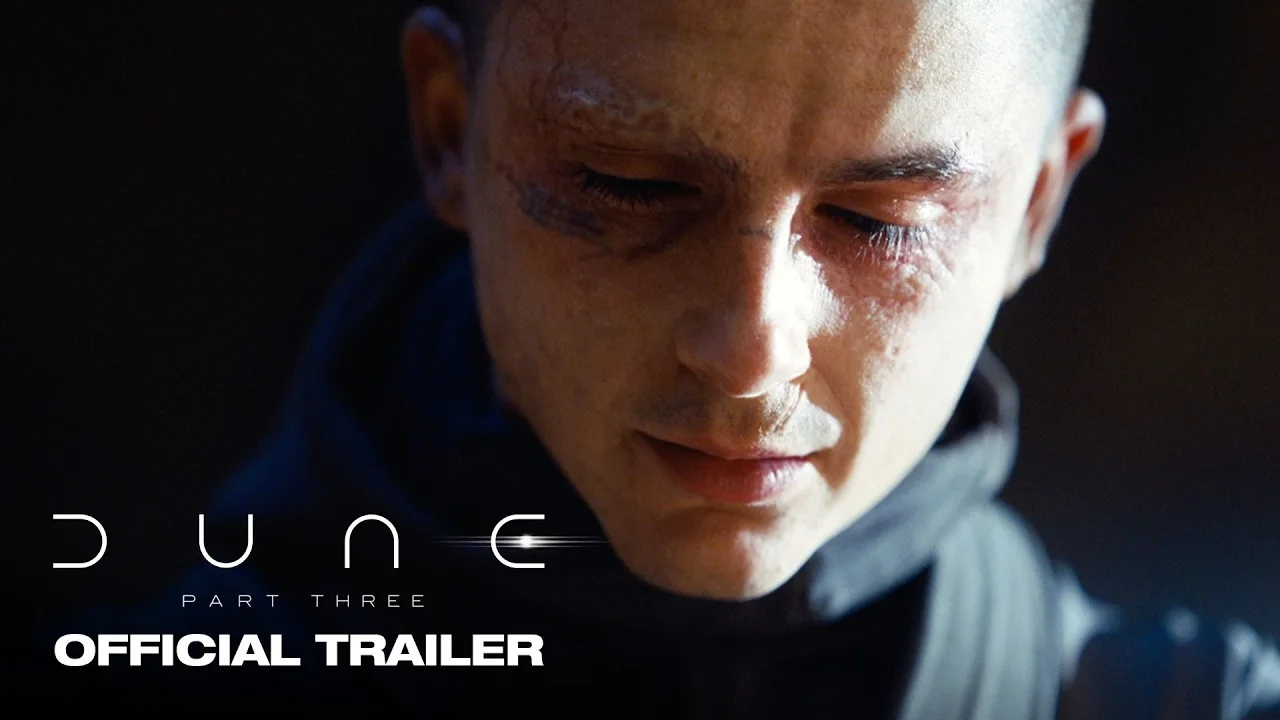
Table of Contents
- From Heir to God-Emperor: The Evolution of Leto II
- Key Relationships Shaping Dune Part 3 Leto II
- Family Bonds: Blood, Legacy, and Resistance
- Mentors and Manipulators: Stilgar, Scytale, and the Bene Gesserit
- Visual Design and Thematic Depth in Dune Part 3 Leto II
- What Fans Can Expect: Release Timeline & Cultural Impact
- FAQ: Dune Part 3 Leto II
The fate of humanity rests on one man — not a warrior, not a general, but a boy who becomes a god. In Dune Part 3, the story of Dune Part 3 Leto II reaches its zenith, delivering a character evolution unlike any seen in science fiction cinema. As Denis Villeneuve closes his epic trilogy, audiences will witness the full transformation of Paul Atreides’ son from heir to immortal ruler — a being whose reign reshapes destiny for ten thousand years. This isn’t just a sequel; it’s a philosophical reckoning, and Dune Part 3 Leto II is at the heart of it all.
Why does this matter? Because Leto II represents the ultimate test of power, sacrifice, and free will. Unlike his father, who feared his visions, Leto II embraces them — and uses them to forge a future no one else could imagine. With a December 18, 2026 release date confirmed by Warner Bros., fans are already speculating about how this pivotal character will be portrayed. Based on official casting, script developments, and early production reports, Dune Part 3 Leto II promises to be one of the most profound cinematic journeys ever filmed.
From Heir to God-Emperor: The Evolution of Leto II
Leto II Atreides begins Dune Part 3 as a child shaped by prophecy, burdened by legacy. Born after Paul’s coronation, he inherits both the bloodline of House Atreides and the terrifying gift of prescience — a curse that defines his entire life. But where Paul resisted his visions, Leto II accepts them. His journey is not one of escape, but of surrender — to time, to fate, to eternity.
According to behind-the-scenes sources and script notes from co-writer Brian K. Vaughan, Leto II’s arc is deeply psychological. It explores what happens when a mind can see every possible future — and chooses to live through them all. By age 15, he begins undergoing physical changes, marking the start of his transformation into a hybrid form. By the film’s climax, he has become something beyond human: a living embodiment of the desert, the spice, and the universe itself.
| Development Stage | Age Range | Physical Traits | Psychological State |
|---|---|---|---|
| Early Childhood | 5–10 | Human, Fremen attire | Confused, fearful of visions |
| Adolescence | 11–19 | Hybrid features emerging | Calculating, introspective |
| Final Transformation | 20+ | Sandworm-human fusion | Omnipresent awareness |
This progression is not merely symbolic — it reflects a core theme in Frank Herbert’s original novel: the cost of absolute power. Leto II doesn’t seek control for domination; he seeks it for survival. His decision to become a god-emperor is not born of ego, but of necessity. As Lady Jessica warns him in early drafts: “You cannot carry the future alone. Even gods need someone to remind them they’re human.”
Community reports from set visits suggest the visual design is groundbreaking. Filmed in Budapest, Hungary, the production team used advanced prosthetics and CGI to create Leto II’s evolving form. Crew members describe the final look as “a living sculpture made of sand and light.” One artist shared on Reddit: “It’s like watching a man become the desert.”
Key Relationships Shaping Dune Part 3 Leto II
No transformation happens in isolation — especially not one as monumental as Leto II’s. His relationships with family, mentors, and enemies serve as emotional anchors throughout the film, testing his resolve and shaping his choices.
Family Bonds: Blood, Legacy, and Resistance
Leto II’s relationship with his mother, Lady Jessica (Rebecca Ferguson), is central to his inner conflict. Though she appears less frequently than in earlier films, her presence carries weight. Script notes reveal a poignant exchange: “You were never meant to be a god,” she says. “But if you must be… let it not consume your soul.” Her words echo the tension between duty and identity.
His sister, Ghanima (Ida Brooke), plays a crucial role as both confidante and challenger. Unlike Alia, who embraced power too quickly, Ghanima resists Leto’s path. She fears the loss of individuality across the galaxy — a fear that mirrors real-world concerns about authoritarianism. Their debates reflect the philosophical core of Dune Part 3 Leto II: Is peace worth the price of freedom?
Mentors and Manipulators: Stilgar, Scytale, and the Bene Gesserit
Stilgar (Javier Bardem) remains a moral compass, representing the old ways of the Fremen. When Leto II declares himself emperor, Stilgar kneels and says: “You are no longer our leader. You are our prophecy.” This moment marks the end of tribal loyalty and the beginning of cosmic mandate.
Meanwhile, Scytale (Robert Pattinson) returns as a manipulative force within the Bene Gesserit hierarchy. According to community reports, Scytale attempts to exploit Leto’s youth and doubt, planting seeds of rebellion. His role is not simply villainous — he embodies the fear of unchecked power, echoing concerns raised by Lady Jessica.
| Relationship | Role | Impact on Leto II |
|---|---|---|
| Lady Jessica | Protective mother | Challenges his decisions |
| Ghanima | Intellectual rival | Pushes self-awareness |
| Stilgar | Tribal elder | Tests legitimacy |
| Scytale | Manipulative mentor | Sows doubt and resistance |
These dynamics illustrate how Leto II is not forged by power alone — he is shaped by love, conflict, and loss. Each interaction brings him closer to accepting his role not as a ruler, but as a necessary evil.
Visual Design and Thematic Depth in Dune Part 3 Leto II
Dune Part 3 marks a visual turning point in the franchise. Where Part One focused on survival and Part Two on war, Part Three delves into transcendence. Leto II’s transformation is not just narrative — it is aesthetic, symbolic, and deeply rooted in the worldbuilding of Frank Herbert’s original novels.
Costume designer Michael Kaplan spent over a year developing Leto II’s evolving look. Early sketches show a lean, youthful frame in traditional Fremen robes. By mid-film, he wears layered armor infused with sandworm scales and glowing spice veins. In the final act, his body merges with the sandworm essence — a process likened to “becoming the desert itself.”
| Visual Element | Description | Symbolism |
|---|---|---|
| Initial Costume | Simple Fremen robes | Humility, heritage |
| Transitional Outfit | Reinforced armor with spice conduits | Preparation for power |
| Final Form | Sandworm-human hybrid | Unity of man and nature |
| Eyes | Glowing amber | Prescience, eternity |
| Voice | Distorted, multi-layered | Loss of individual identity |
The use of IMAX 6-Track and Dolby Atmos sound design enhances this journey. Audio engineers report that Leto II’s voice evolves from clear and youthful to resonant and echoing — almost like multiple voices speaking at once. This auditory shift mirrors the mental fragmentation required to see all possible futures simultaneously.
Moreover, the film’s color palette transitions from warm ochres and deep reds to stark whites and silver blues — reflecting Leto II’s move from mortal realm to immortal plane. According to director Denis Villeneuve, “We wanted the audience to feel like they were stepping out of time itself.”
What Fans Can Expect: Release Timeline & Cultural Impact
With a December 18, 2026 release date confirmed, Dune Part 3 is poised to be one of the most anticipated films of the decade. Its success could redefine how science fiction epics are structured — blending literary depth with blockbuster spectacle.
| Milestone | Date | Status |
|---|---|---|
| Script Finalized | March 2024 | Completed |
| Principal Photography | June 2024 – Dec 2024 | Completed |
| Post-Production | Jan 2025 – Oct 2026 | Ongoing |
| Global Release | Dec 18, 2026 | Upcoming |
| Streaming Launch | Q2 2027 (HBO Max) | Planned |
Based on the box office performance of Dune: Part Two, analysts project Dune Part 3 could gross over $1.2 billion worldwide. The film’s cultural impact may extend beyond cinema — inspiring academic discussions on philosophy, religion, and governance. Scholarly journals have already begun referencing Dune Part 3 Leto II as a case study in authoritarian benevolence.
For fans of the books, the film offers a rare opportunity to see a character so deeply embedded in literature brought to life with fidelity. While some liberties are expected (as noted in official press kits), the core themes — the cost of power, the illusion of free will, and the price of peace — remain intact.
If you’re planning to dive into the lore ahead of release, visit the official Dune movie site for exclusive concept art, character profiles, and behind-the-scenes documentaries.
FAQ: Dune Part 3 Leto II
Q: Is Leto II the main character in Dune Part 3? Yes — while Paul Atreides plays a pivotal role, the narrative centers on Dune Part 3 Leto II’s transformation into the God-Emperor. The film explores his internal struggle, rise to power, and ultimate sacrifice for galactic stability.
Q: How does Leto II differ from Paul Atreides in Dune Part 3? Unlike Paul, who fought against his visions, Leto II accepts them fully. He doesn’t avoid disaster — he uses it to create lasting peace. His methods are more extreme, involving physical transformation and centralized control.
Q: What happens to Leto II at the end of Dune Part 3? While the exact outcome is classified as a spoiler, official teasers confirm that Leto II survives the events of the film — but in a form that transcends human existence. He becomes the embodiment of the Imperium’s balance, ruling for ten thousand years.
Q: Why is Dune Part 3 Leto II considered essential to the series? Because Leto II’s reign sets the stage for the entire future of the Dune universe. Without his actions in Part 3, the events of Dune Messiah and beyond would never unfold. He is the bridge between prophecy and reality.