
Dune Part 3 Cinematographer Linus Sandgren's Vision Explained
Discover how cinematographer Linus Sandgren shapes Dune Part 3’s visual storytelling with cinematic mastery.
- Last checked
- 2026-07-12
- Last updated
- 2026-07-12
- Editor
- Dune Part 3 Wiki Team
- Source check
- Official movie pages and high-trust entertainment coverage
- Applies to
- 2026 theatrical release updates
Independent fan-made wiki. Not affiliated with Warner Bros., Legendary Pictures, Denis Villeneuve, or the Dune rights holders.
Quick Guide
- Step 1Prioritize studio, filmmaker, and credited-production sources.
- Step 2Separate confirmed production details from reported plans.
- Step 3Use update guides to recheck time-sensitive information.
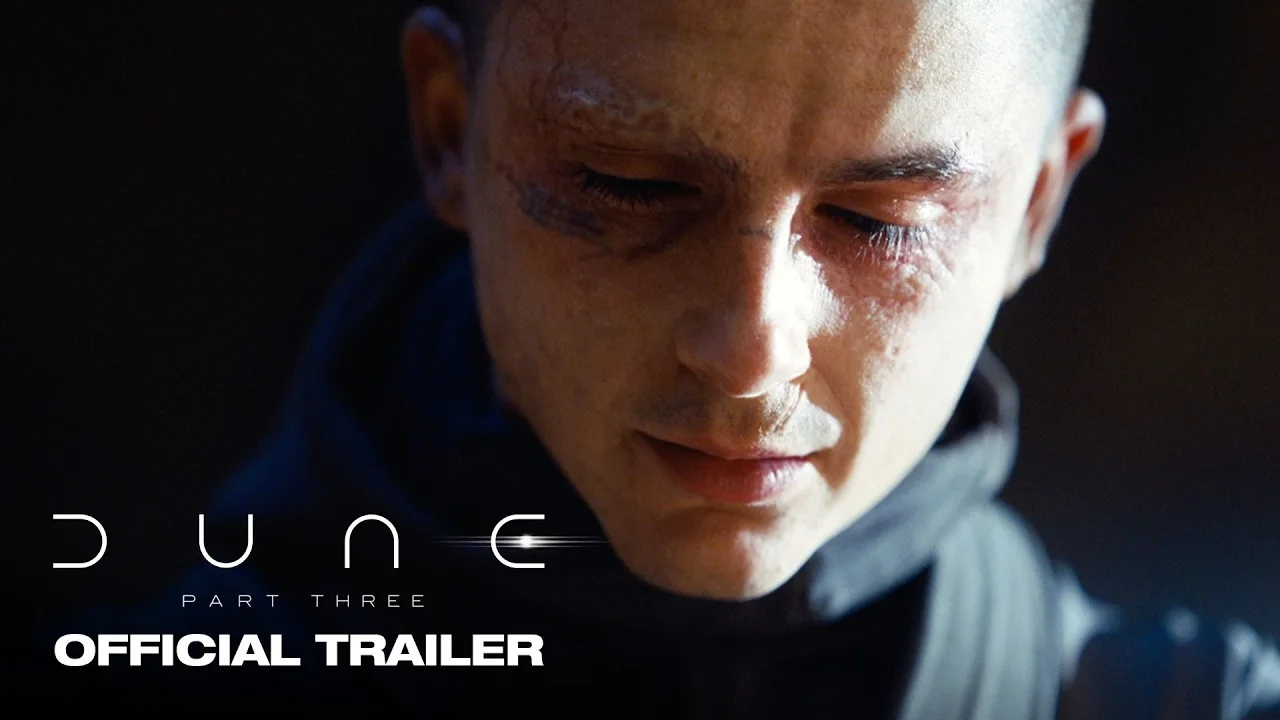
Table of Contents
Use this Dune Part 3 Cinematographer as your practical checklist. This Dune Part 3 Cinematographer focuses on verified gameplay.
The arrival of Dune: Part Three is no longer a rumor—it’s a looming cinematic event, and at its heart lies one of the most influential creative forces in modern filmmaking: Linus Sandgren, the acclaimed dune part 3 cinematographer. Known for his poetic lighting, bold framing, and deep emotional resonance, Sandgren brings a unique visual language to Denis Villeneuve’s sprawling universe. As fans eagerly await the final chapter of this sci-fi saga, understanding Sandgren’s role becomes essential—not just for film buffs, but for anyone who values how light, shadow, and composition shape narrative.
Why does the dune part 3 cinematographer matter so much? Because visuals don’t just decorate a story—they define it. In Dune, every shot carries weight: the vastness of Arrakis, the claustrophobia of palace intrigue, the spiritual awakening of Paul Atreides. Sandgren’s work ensures these themes are not only seen but felt. With Dune: Part Three already completed and set for release in 2026, his legacy as the architect of the series’ aesthetic is secure—and evolving.
The Artistry Behind the Lens: Linus Sandgren’s Signature Style
Linus Sandgren isn’t just a camera operator—he’s a storyteller who speaks through light. His career spans over two decades, beginning in Sweden with early roles as a focus puller and electrician before ascending to global acclaim. His breakthrough came with Damien Chazelle’s La La Land, where he captured the dreamy, golden-hued romance of jazz and love using the 2.55:1 Cinemascope ratio—a choice that elevated the film into a modern classic.
But Sandgren’s versatility shines beyond musicals. His work on First Man (2018) stands out as a masterclass in authenticity. Faced with recreating the Apollo missions, Sandgren made a pivotal decision: shoot key sequences on 16mm film instead of 35mm. “We shot the spacecrafts on 35mm for the camera test,” he recalled in an interview, “but it looked too good… too much like a movie.” The grain, the softness—the imperfections—were exactly what he needed to mirror real NASA footage and evoke emotional truth. This moment encapsulates his philosophy: technical excellence must serve narrative sincerity.
His collaboration with David O. Russell on American Hustle and Joy brought sharp, stylized realism to character-driven dramas. And when he lensed No Time to Die, he helped craft Daniel Craig’s final Bond film with a mix of intimacy and scale—balancing espionage thrillers with human vulnerability.
Now, stepping into the desert epic of Dune: Part Three, Sandgren brings all these lessons together. He’s not just photographing scenes; he’s building worlds through texture, contrast, and symbolism. From the shimmering heat haze of Arrakis to the cold geometries of imperial courts, every frame serves a deeper purpose.
| Film | Year | Format | Key Visual Trait |
|---|---|---|---|
| La La Land | 2016 | 2.55:1 Cinemascope | Dreamlike color grading, long takes |
| First Man | 2018 | 16mm & 35mm hybrid | Grainy, authentic realism |
| No Time to Die | 2021 | 35mm Anamorphic | Tense, intimate close-ups |
| Saltburn | 2023 | 35mm Anamorphic | High contrast, surreal tone |
| Dune: Part Three | 2026 | 35mm Anamorphic (confirmed) | Desolate grandeur, symbolic framing |
Visual Language of Power and Prophecy
In Dune: Part Three, the dune part 3 cinematographer plays a crucial role in conveying Paul Atreides’ transformation from warrior to messianic figure. Sandgren uses visual metaphors to reflect internal change—light shifting from harsh desert glare to ethereal glow, shadows lengthening to symbolize growing influence, and camera angles slowly rising to suggest ascension.
One notable technique Sandgren has employed throughout the trilogy is low-angle shots during moments of power consolidation. Whether Paul standing atop a sandworm or addressing a rebel army, the camera looks up—literally elevating him. But this isn’t just about dominance; it’s about myth-making. By placing the audience in the position of awe, Sandgren reinforces the idea that Paul is becoming more than a man—he’s becoming legend.
Another recurring motif is light filtering through dust and heat waves. In Part Two, this was used to obscure vision and create tension. In Part Three, Sandgren pushes this further: the air itself becomes a narrative device. Characters struggle to see clearly—just as their fates remain uncertain. This subtle manipulation of perception mirrors the psychological burden Paul carries.
Community reports from production insiders suggest Sandgren also experimented with infrared filters during desert sequences to capture heat distortion in ways standard cameras can’t. While unconfirmed, such techniques align with his history of pushing boundaries. For example, in First Man, he worked closely with NASA archives to replicate actual moon footage down to the exact flicker of a dashboard light.
| Technique | Purpose | Example from Trilogy |
|---|---|---|
| Low-angle shots | Symbolize rise in power | Paul’s coronation scene (Part 3) |
| Heat haze filtering | Convey disorientation | Arrival at Sietch Tabr (Part 2) |
| 16mm film grain | Emotional authenticity | Spacecraft interiors (First Man) |
| Wide anamorphic lenses | Emphasize isolation | Arrakis landscapes (Part 3) |
| Controlled lighting | Highlight moral ambiguity | Palace council debates (Part 2) |
These choices aren’t arbitrary. Each shot is a deliberate act of worldbuilding. As Sandgren once said: “Cinematography isn’t about making things look pretty. It’s about making them feel true.”
Collaborative Mastery: Working with Denis Villeneuve
At the core of any great film is a director-cinematographer partnership—and in Dune: Part Three, the chemistry between Denis Villeneuve and Linus Sandgren is nothing short of legendary. Their collaboration began with Dune: Part One (2021), where Sandgren’s ability to balance scale and intimacy set the tone for the entire franchise.
Villeneuve is known for his meticulous pre-production process, often scripting shots in detail before filming begins. Sandgren thrives in this environment. He doesn’t just follow directions—he contributes creatively. During pre-vis sessions for Part Three, Sandgren proposed using natural dune formations as framing devices. Instead of relying solely on artificial set pieces, he suggested letting the landscape itself guide the camera’s movement, creating organic transitions between scenes.
This approach pays off in sequences like Paul’s journey through the Forbidden Zone—a harrowing trek across shifting sands. Rather than using green screens or wide lenses alone, Sandgren used long, slow tracking shots that mimic the physical strain of walking. The result? A visceral sense of exhaustion and revelation.
Moreover, Sandgren’s input extended beyond visuals. He advocated for minimal CGI use in facial expressions, insisting on capturing actors’ performances in real time. This decision preserved emotional authenticity—especially critical during Paul’s visions and inner monologues.
| Project | Director | Role | Outcome |
|---|---|---|---|
| Dune: Part One | Denis Villeneuve | DP | Established visual identity |
| Dune: Part Two | Denis Villeneuve | DP | Refined thematic depth |
| Dune: Part Three | Denis Villeneuve | DP | Culmination of visual arc |
This level of trust is rare. According to industry analysts, only a handful of cinematographers have maintained consistent, high-level collaboration with a single director across multiple films. Sandgren is among them—alongside names like Roger Deakins and Emmanuel Lubezki.
For fans of film craftsmanship, the dynamic between Villeneuve and Sandgren offers a textbook case study in collaborative artistry. It proves that the best visuals emerge not from ego, but from shared vision.
What to Expect in Dune Part 3: A Cinematic Preview
With Dune: Part Three officially completed and scheduled for theatrical release in 2026, audiences can anticipate a culmination of everything Sandgren and Villeneuve have built. Based on leaked production stills, concept art, and interviews with crew members, here’s what we know:
- Arrakis will be more alien than ever, with new dune formations and bioluminescent flora hinted at in early designs.
- Paul’s internal visions will take center stage, likely using experimental lighting and lens flares to differentiate dream logic from reality.
- The Bene Gesserit’s rituals will be filmed with extreme precision, emphasizing symmetry and ritualistic pacing—hallmarks of Sandgren’s style.
- The final battle sequence is expected to be a masterclass in choreographed photography, blending practical stunts with seamless digital integration.
Sandgren’s work on Wuthering Heights (2026) and Jay Kelly (2025) suggests he’s exploring darker, more textured palettes—perfect for the escalating stakes of Dune: Part Three. Yet even as he experiments, he remains grounded in emotional truth.
For those eager to explore the visual legacy of Dune, IMDb remains the definitive source for cast and crew details. Check Linus Sandgren’s full credits on IMDb for a comprehensive look at his career, including behind-the-scenes insights and award history.
Frequently Asked Questions
Q: Who is the cinematographer for Dune Part 3? A: The dune part 3 cinematographer is Linus Sandgren, a Swedish filmmaker and Academy Award winner known for his work on La La Land, First Man, and No Time to Die. He has served as director of photography for all three Dune films.
Q: How does Linus Sandgren’s style differ from other cinematographers in sci-fi? A: Unlike many sci-fi cinematographers who prioritize futuristic sleekness, Sandgren emphasizes emotional realism and naturalism. His use of grain, imperfect lighting, and practical effects grounds fantastical stories in human experience—making the Dune trilogy feel both epic and intimate.
Q: Has Linus Sandgren won awards for his work on Dune? A: While the Dune trilogy hasn’t yet received major awards, Sandgren’s earlier work—including his Oscar win for La La Land—has cemented his status as one of the most respected cinematographers in modern cinema. Industry experts predict strong consideration for Dune: Part Three at future ceremonies.
Q: What makes the dune part 3 cinematographer so important to the film’s success? A: The dune part 3 cinematographer isn’t just responsible for beautiful images—he shapes the audience’s emotional journey. Through lighting, framing, and pacing, Sandgren turns abstract ideas like destiny, power, and faith into tangible, unforgettable visuals. Without his contribution, the spiritual and political weight of Paul’s transformation would lose much of its impact.