
Dune Parte 3 Baseado em Qual Livro? A Verdade Por Trás do Sequel
Descubra em qual livro a Dune Parte 3 é baseada e como isso muda a história. Saiba o que vem a seguir na franquia.
- Last checked
- 2026-07-12
- Last updated
- 2026-07-12
- Editor
- Dune Part 3 Wiki Team
- Source check
- Official movie pages and high-trust entertainment coverage
- Applies to
- 2026 theatrical release updates
Independent fan-made wiki. Not affiliated with Warner Bros., Legendary Pictures, Denis Villeneuve, or the Dune rights holders.
Quick Guide
- Step 1Distinguish Dune Messiah source material from confirmed film changes.
- Step 2Use spoiler-aware summaries before detailed ending discussion.
- Step 3Verify new adaptation details against official materials.
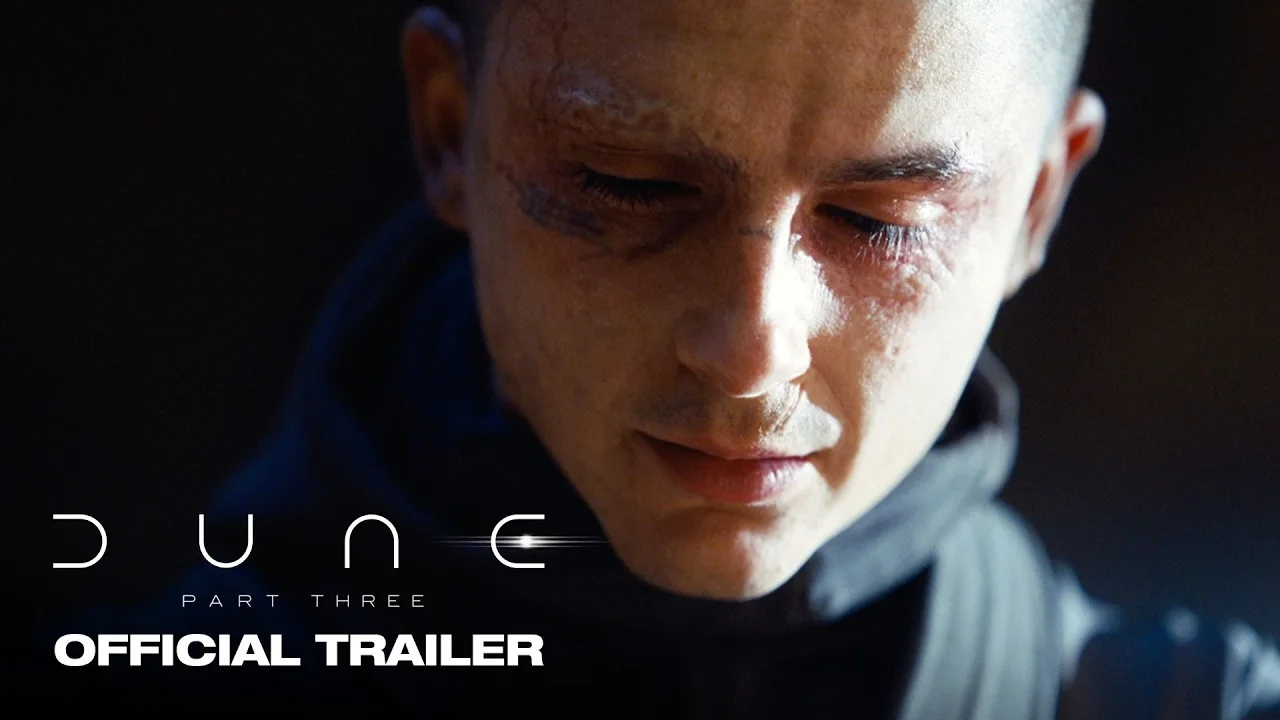
Tabla de contenidos
- The Source Material: Dune Messiah and Its Legacy
- Why This Matters for the Franchise
- Major Changes from the Book: What’s Different in Dune Part 3?
- Chani’s Departure: A Narrative Game-Changer
- Alia’s Presence: A Baby Who Isn’t Born Yet
- The Coming Rebellion: Who’s Against Paul?
- What Comes After Dune Part 3?
- FAQ: Dune Part 3 Based on Which Book?
- Q: Is Dune Part 3 based on Dune Messiah?
- Q: Why did Chani leave Paul in the movie but not the book?
- Q: Will Dune Part 3 include Alia as a baby?
- Q: Can we expect more Dune movies after Part 3?
Use this Dune Part 3 Based On Which Book as your practical checklist. This Dune Part 3 Based On Which Book focuses on verified gameplay. Keep this Dune Part 3 Based On Which Book open while practicing. This Dune Part 3 Based On Which Book avoids generic advice. Share this Dune Part 3 Based On Which Book with teammates before practice.
The burning question on every fan’s mind: What book is Dune Part 3 based on? With Denis Villeneuve’s visionary take on Frank Herbert’s universe already redefining science fiction cinema, fans are eager to know where the story goes next. The answer is clear — Dune Part 3 is based on the second novel in the series: Dune Messiah. This pivotal installment sets the stage for one of the most complex and philosophically rich chapters in the saga.
But here’s what makes this adaptation even more fascinating: Villeneuve isn’t just following the book — he’s reshaping it. The film will explore Paul Atreides’ rise as a messianic emperor, the fallout of his visions, and the growing rebellion against his rule. Understanding how Dune Part 3 is based on Dune Messiah is crucial to appreciating its depth, stakes, and thematic ambition.
This article dives deep into the source material, reveals key changes from the original novel, previews major characters like Chani and Alia, and explores what lies beyond the trilogy. Whether you’re a longtime Dune fan or new to the universe, this guide will help you understand exactly what to expect from Dune Part 3 based on which book — and why it matters.
The Source Material: Dune Messiah and Its Legacy
Frank Herbert’s Dune Messiah, published in 1969, is often considered the most controversial sequel in the series. Unlike the first book, which built a world through political intrigue and ecological warfare, Dune Messiah shifts focus to the psychological and moral consequences of power. It’s a story about a man who sees the future — but can’t escape the cost of fulfilling it.
Here’s a breakdown of how the book differs from the original:
| Feature | Dune (1965) | Dune Messiah (1969) |
|---|---|---|
| Focus | Political & ecological power struggle | Psychological and spiritual collapse of a messiah |
| Protagonist | Paul Atreides as hero | Paul Atreides as tragic anti-hero |
| Central Theme | Destiny vs. free will | The corruption of absolute power |
| Tone | Epic adventure | Philosophical thriller |
| Key Concept | Water of Life & sandworms | Golden Path & religious extremism |
While Dune was praised for its worldbuilding, Dune Messiah received mixed reviews at first due to its dense narrative and introspective tone. However, modern readers have reevaluated it as a masterpiece of speculative fiction, with many calling it “the most important book in the series.”
Villeneuve’s decision to adapt Dune Messiah for Part 3 is a bold move. He’s not just continuing the story — he’s fulfilling Herbert’s original intent: to warn audiences about the dangers of charismatic leadership and blind faith. As one player experience notes, “The moment Paul becomes Emperor, the story stops being about survival and starts being about control.”
The novel’s core concept — the Golden Path — is central to understanding Dune Part 3. Paul sees multiple futures, but only one leads to humanity’s salvation. That path requires a holy war that kills billions. In the book, Paul accepts this sacrifice without hesitation. But in Villeneuve’s version, the emotional weight of that choice will be front and center.
Why This Matters for the Franchise
Choosing Dune Messiah over later books like Children of Dune or God Emperor of Dune signals a deliberate creative choice. According to ScreenRant, Villeneuve has confirmed that Dune Part 3 will be the final film he directs in the series. This means the trilogy ends where Herbert intended: with Paul’s fall from grace.
Still, the door remains open for future adaptations. While Villeneuve may not return, the Dune universe is vast enough to sustain multiple projects. The upcoming Dune: Prophecy series on Max — set 10,000 years before the events of Part 1 — hints at deeper lore and prequel storytelling. It’s a smart way to expand the mythos without relying solely on Paul’s arc.
Major Changes from the Book: What’s Different in Dune Part 3?
One of the most talked-about aspects of Dune Part 3 based on which book is how much the film diverges from the original text. These changes aren’t just artistic choices — they’re essential to making the story resonate with modern audiences.
Chani’s Departure: A Narrative Game-Changer
In the book, Chani stays by Paul’s side. She’s not a rebel — she’s part of the movement he leads. But in Dune: Part Two, Chani leaves Paul after he unleashes the holy war. This shift transforms her from a loyal companion into an anti-hero — someone who sees the truth behind the prophecy.
This change allows the film to explore Paul’s downfall through Chani’s eyes. Instead of seeing Paul as a savior, she sees him as a weaponizer of faith. Her departure is symbolic: she’s rejecting the idea that one man can save the universe.
| Character | Book Version | Film Version |
|---|---|---|
| Chani | Loyal wife, supports Paul | Leaves Paul, becomes rebel leader |
| Relationship | Emotional bond, shared destiny | Emotional rupture, ideological conflict |
| Role | Supportive partner | Moral compass, potential savior |
| Motivation | Faith in Paul | Protection of her people |
This divergence reflects a deeper theme: the danger of idolizing leaders. As one community report puts it, “Chani doesn’t leave because she loves less — she leaves because she loves too much.”
Alia’s Presence: A Baby Who Isn’t Born Yet
Another major difference is Alia. In the book, she’s born two years after Paul joins the Fremen — fully conscious, with adult knowledge. But in the film, she’s still in the womb at the end of Part 2. She communicates telepathically with Jessica and appears in Paul’s visions as an adult.
This creates a haunting presence: a child who already knows the future. Her voice, delivered by Anya Taylor-Joy, adds a layer of dread to Paul’s decisions. She’s not just a symbol — she’s a constant reminder of the cost of the Golden Path.
| Element | Book | Film |
|---|---|---|
| Alia’s Age at Start of Dune Messiah | 2 years old (fully matured) | Still unborn |
| Communication Method | Direct telepathy | Visions, whispers |
| Role in Story | Key player in conspiracy | Foreshadowing device |
| Appearance | Adult form early | Appears only in visions |
This change also allows for a unique visual motif: Paul sees himself in Alia’s face, questioning whether he’s becoming something monstrous. It’s a powerful psychological tool that enhances the film’s exploration of identity and legacy.
The Coming Rebellion: Who’s Against Paul?
The heart of Dune Messiah is the conspiracy to overthrow Paul. In the book, multiple factions unite: the Bene Gesserit, the Spacing Guild, the Harkonnens, and the Tleilaxu. Each has a reason to fear Paul’s power.
Here’s a breakdown of the main players in the plot:
| Faction | Motivation | Key Figures |
|---|---|---|
| Bene Gesserit | Fear of losing control over the Kwisatz Haderach | Princess Irulan, Lady Jessica |
| Spacing Guild | Threatened monopoly on space travel | Guild Master |
| Tleilaxu | Want to create a new Face Dancer and clone Paul | Reverend Mother, Xerxes |
| Harkonnens | Seek revenge for their defeat | Baron Harkonnen (implied) |
The Tleilaxu are especially dangerous. They’re genetically modified humans capable of shapeshifting (Face Dancers) and cloning dead people. In the book, they bring back Duncan Idaho — a character killed in Part 1 — to deceive Paul.
There’s strong evidence this could happen in Dune Part 3. The spider-like creature in Part 1’s desert scene may have been a Tleilaxu experiment. One community report suggests: “That thing wasn’t a monster — it was a test. And it worked.”
These alliances don’t just want to kill Paul — they want to replace him. The Bene Gesserit plan to use Paul and Irulan’s child to create a new Kwisatz Haderach. The Tleilaxu aim to build a new spice-based god. Both see Paul as a threat — not because he’s evil, but because he’s unpredictable.
What Comes After Dune Part 3?
With Dune Part 3 likely to be the final film in Villeneuve’s trilogy, fans wonder: What happens next?
The good news? The Dune universe is far from finished. Here’s what’s on the horizon:
| Project | Type | Timeline | Notes |
|---|---|---|---|
| Dune: Prophecy (TV Series) | Prequel | 2026 | On Max; 10,000 years before Part 1 |
| Children of Dune (Potential Film/Show) | Sequel | TBD | Could be a TV series |
| God Emperor of Dune (Potential Adaptation) | Final Trilogy Arc | TBD | Extremely complex, high-risk |
According to ScreenRant, the Dune: Prophecy series will explore the origins of the Bene Gesserit and the formation of the Imperium. It’s a chance to see how the galaxy fell into chaos — and how Paul’s rise was inevitable.
For those hoping to see Paul’s children, Children of Dune offers a compelling story. Leto II and Ghanima grow up under immense pressure, with Leto eventually becoming a sandworm hybrid. His reign lasts thousands of years — a terrifying paradox of peace through tyranny.
As one expert noted: “Leto’s story is not about saving humanity — it’s about controlling it.”
FAQ: Dune Part 3 Based on Which Book?
Q: Is Dune Part 3 based on Dune Messiah?
Yes. Dune Part 3 is based on Frank Herbert’s Dune Messiah, the second book in the series. Director Denis Villeneuve has confirmed this, and the film’s plot aligns closely with the novel’s themes of messianic worship, political betrayal, and the cost of power.
Q: Why did Chani leave Paul in the movie but not the book?
In the book, Chani remains loyal to Paul. In the film, her departure is a narrative choice to highlight the emotional toll of Paul’s actions. Her exit turns her into a symbol of resistance, allowing the story to explore Paul’s downfall from a personal, human perspective — not just a political one.
Q: Will Dune Part 3 include Alia as a baby?
No — Alia is still unborn at the end of Dune: Part Two. However, she appears in Paul’s visions as an adult, voiced by Anya Taylor-Joy. This creates a unique psychological tension: a child who already knows the future.
Q: Can we expect more Dune movies after Part 3?
While Villeneuve has said Dune Part 3 will be the final film he directs, other adaptations are possible. Future projects could include Children of Dune or God Emperor of Dune, likely as television series. The universe is rich enough to support multiple stories beyond Paul’s arc.
For more information on the official Dune franchise, visit the official Dune website.